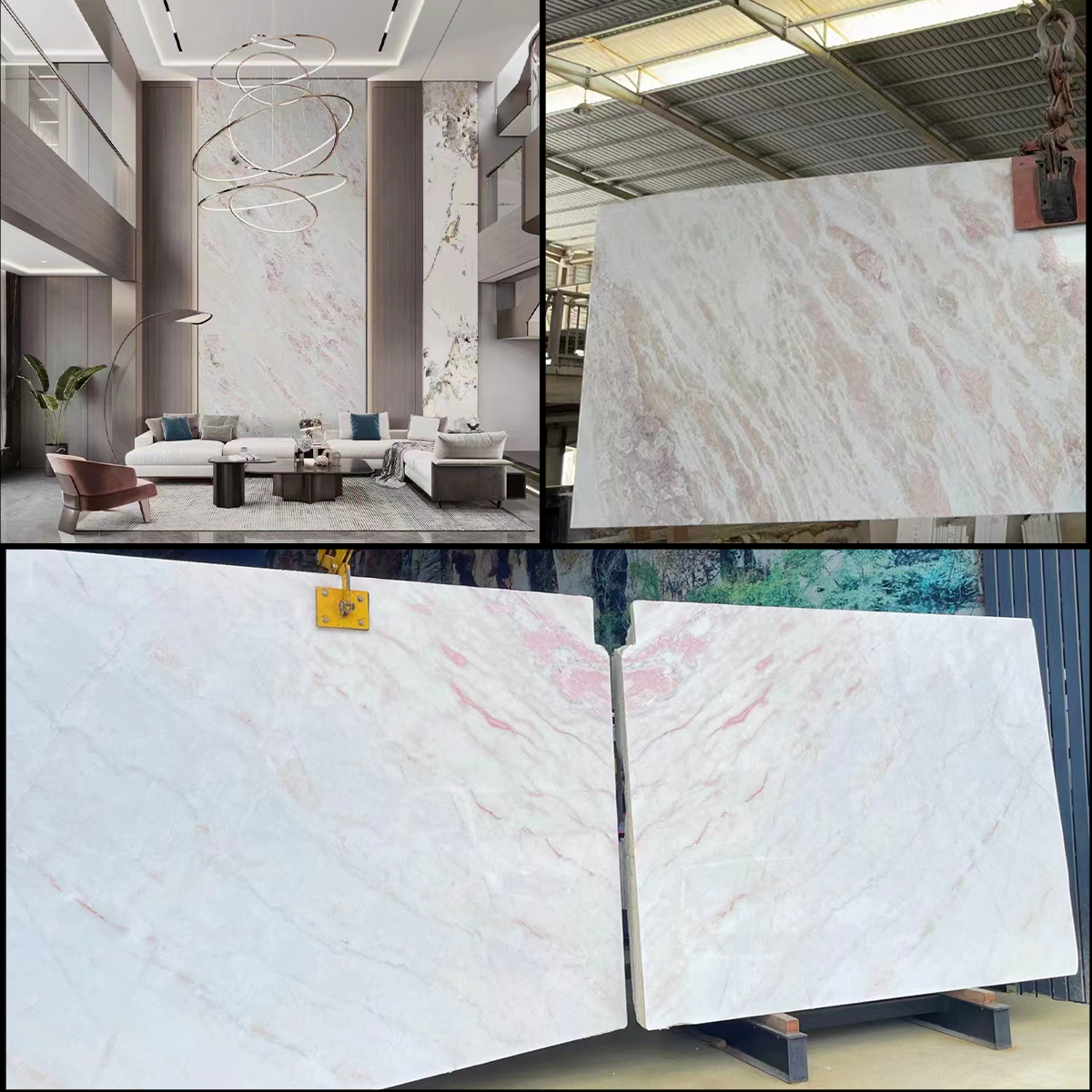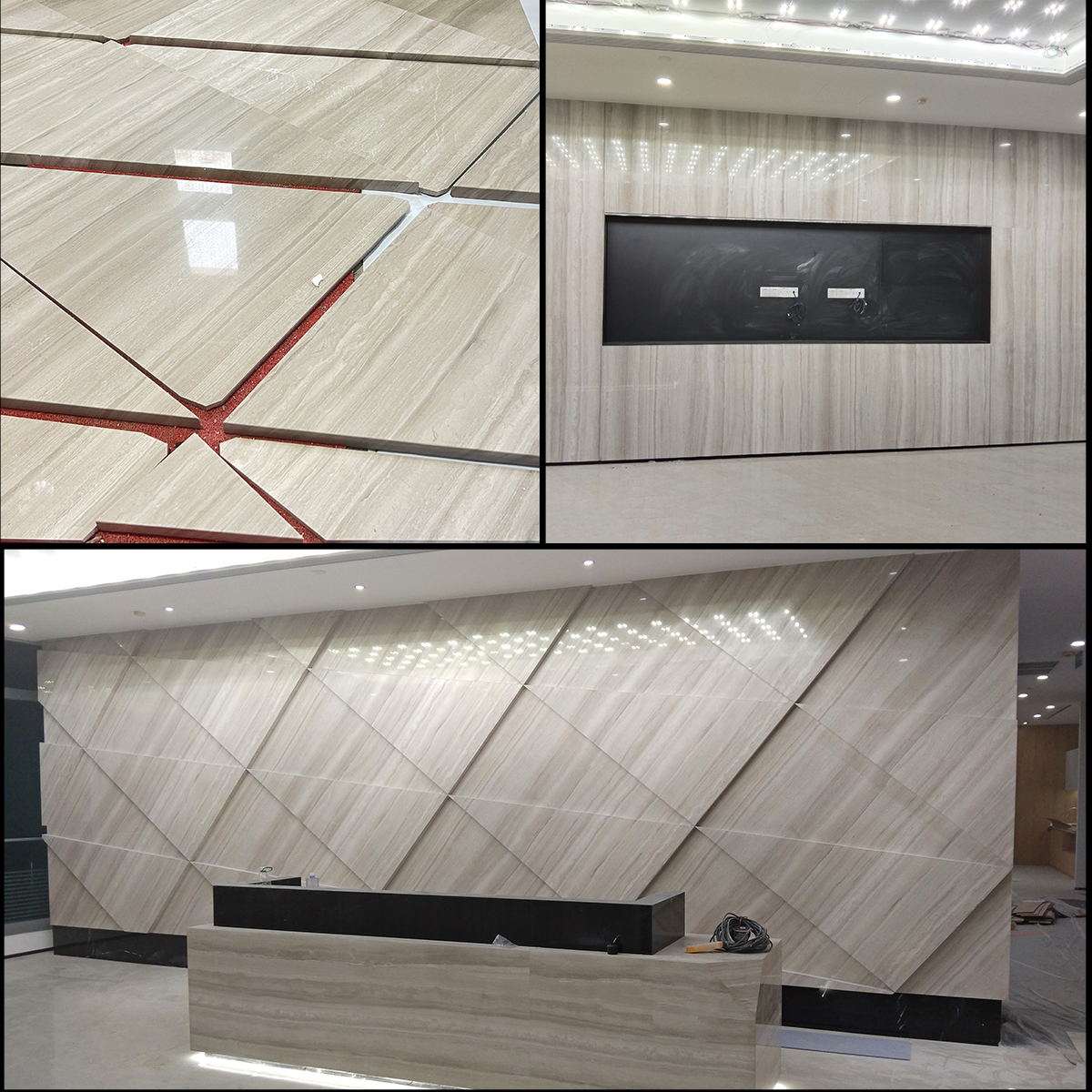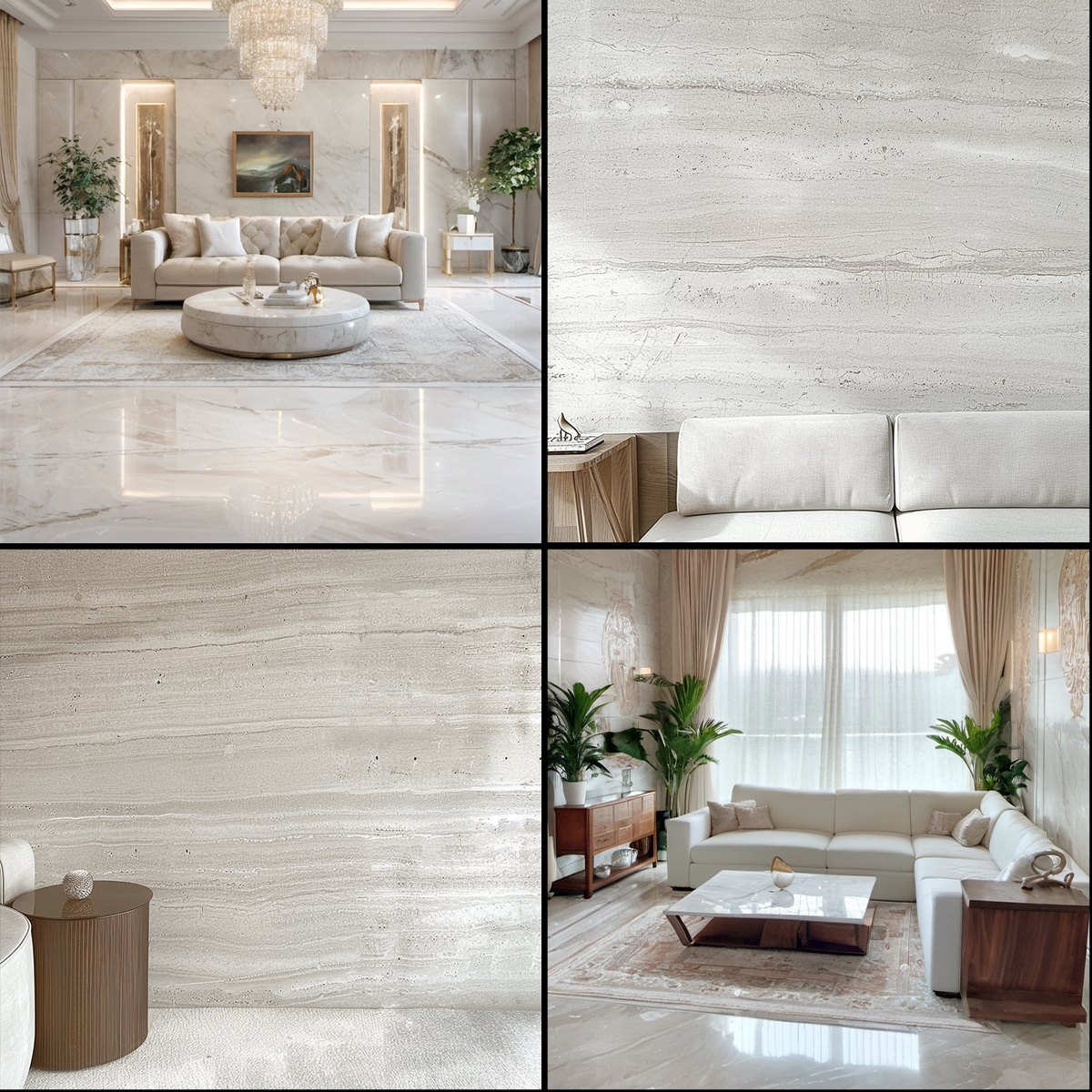









The global artificial marble market reached $25.98 billion in 2025 and continues accelerating toward $42.31 billion by 2032, driven by unprecedented demand from luxury residential and commercial developers. Understanding engineered marble manufacturing plant cost structures has become essential for investors seeking entry into this lucrative sector, while sourcing premium light beige artificial marble remains a priority for architects and designers capitalizing on 2026's warm-tone interior design trends. This comprehensive guide examines both manufacturing investment requirements and the specifications of light beige engineered stone products that dominate today's luxury building materials market.
Whether you're evaluating the financial feasibility of establishing your own production facility or sourcing high-quality beige artificial marble for high-end projects, this analysis provides actionable insights into capital expenditures, operational costs, product specifications, and market opportunities shaping the engineered stone industry in 2026.
Manufacturing Plant Investment Overview
Establishing an engineered marble manufacturing facility requires substantial capital investment that varies significantly based on production capacity, automation level, and geographic location. The engineered marble manufacturing plant cost structure encompasses multiple components that investors must carefully evaluate before committing resources.
Small-scale plants designed for 50-100 tons per hour (TPH) production capacity typically require initial capital investments ranging from $150,000 to $500,000. These entry-level facilities suit regional suppliers targeting local construction markets and can achieve profitability within 2-3 years under optimal management conditions. Medium-scale facilities producing 100-300 TPH command investments between $500,000 and $1.2 million, incorporating advanced automation systems that improve consistency and reduce long-term labor costs.
Large production plants exceeding 300-1000+ TPH demand capital expenditures from $1.2 million to over $5 million, positioning operators to serve international markets and secure high-volume contracts with major developers. These facilities benefit from economies of scale that lower per-unit production costs while maintaining premium quality standards expected by luxury residential and hospitality clients.
Capital expenditure calculations must account for land acquisition and preparation, comprehensive machinery procurement, facility construction including climate-controlled curing areas, regulatory compliance and environmental permits, and initial working capital for raw material inventory. The artificial marble market's projected 8.7% CAGR through 2032 supports strong investment returns for well-positioned manufacturing operations.
Essential Equipment and Machinery Costs
Manufacturing high-quality artificial marble slabs requires specialized equipment representing the largest component of initial capital investment. Each production stage demands precision machinery engineered specifically for engineered stone fabrication.
Core Production Equipment:
Mixing and Blending Systems ($80,000-$200,000): Industrial-grade mixers combine polyester resin, quartz aggregates, marble powder, pigments, and additives with precise ratios ensuring color consistency and structural integrity. Advanced vacuum mixing systems eliminate air pockets that compromise slab quality.
Vacuum Vibration Pressing Machines ($150,000-$400,000): These critical machines form raw material mixtures into large-format slabs while removing residual air bubbles. High-pressure systems (50-100 tons) create the dense, uniform structure that distinguishes premium engineered marble from lower-grade alternatives.
Industrial Curing Ovens ($100,000-$250,000): Temperature-controlled ovens maintain precise heat ranges between 80-120°C during the polymerization process. Proper curing ensures resin binders fully harden, creating the durability characteristics that make artificial marble suitable for high-traffic commercial applications.
Diamond Wire Saw Cutting Equipment ($50,000-$150,000): Computer-controlled cutting systems slice cured blocks into standard slab thicknesses with tolerances under 0.5mm. Precision calibration machinery ensures uniform thickness across entire production runs.
Polishing and Surface Finishing Machinery ($40,000-$120,000): Multi-stage polishing lines create mirror-finish surfaces or specialized textures (honed, leathered, brushed) demanded by contemporary interior design specifications.
Production capacity directly influences equipment selection and costs. A facility capable of producing 200-1000 square meters daily requires proportionally scaled machinery investments. Manufacturers like Hongfa and other specialized suppliers offer customizable production lines tailored to specific capacity requirements and budget constraints.
Operational Cost Factors
Beyond capital equipment, ongoing operational expenses significantly impact manufacturing profitability and pricing competitiveness. Energy consumption represents a substantial variable cost, with individual machines drawing 30-400 kW depending on size and function. Monthly utility expenses can reach $20,000-$80,000 for medium-scale operations running multi-shift schedules to maximize equipment utilization.
Raw material procurement constitutes 40-50% of production costs. Primary inputs include polyester resin binders (5-10% of mixture composition), quartz aggregates and marble powder (90-95% of mixture), specialized pigments for color matching, and chemical additives for enhanced performance characteristics. Establishing reliable supply relationships with pre-screened vendors helps optimize procurement costs and maintain consistent material quality.
Labor costs vary by geographic market but typically include skilled mixing operators who manage precise formulation ratios, quality control personnel conducting density and absorption testing, experienced technicians maintaining complex machinery, and surface finishing specialists achieving specified polish levels. A standard facility employs 6-12 workers per shift depending on automation levels.
Maintenance and component replacement expenses include periodic replacement of molds and pressing forms, diamond cutting blades and polishing pads, vacuum system seals and pumps, and routine machinery servicing. Budgeting 3-5% of equipment value annually for maintenance prevents costly production disruptions and extends machinery lifespan.
Light Beige Artificial Marble Specifications
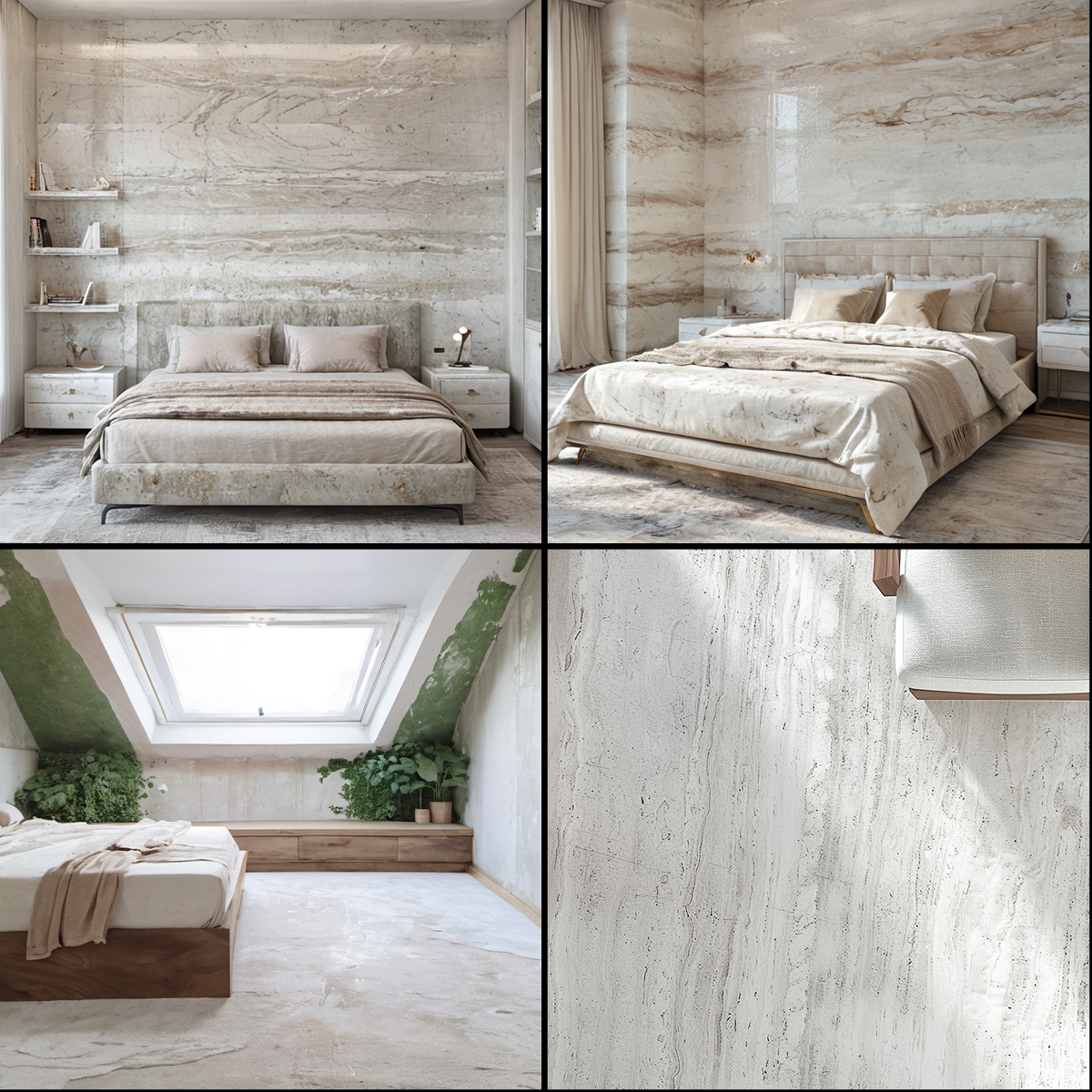
Light beige artificial marble has emerged as the dominant color category in 2026, driven by interior design trends favoring warm neutrals and the "Quiet Luxury" aesthetic that prioritizes understated elegance over bold statements. Understanding technical specifications helps developers and designers select appropriate products for specific applications.
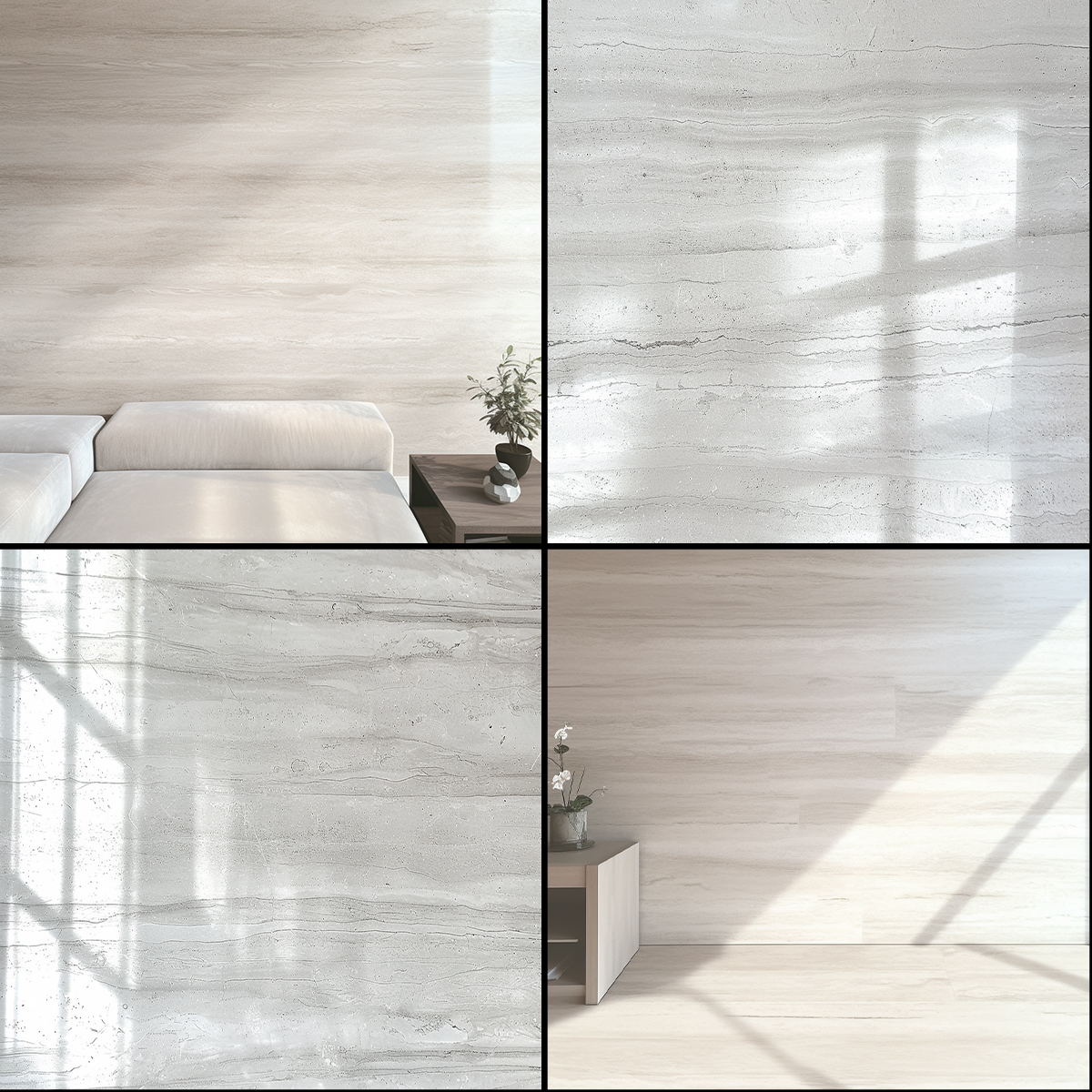
Popular variants include Burdur Beige style reproductions inspired by Turkish natural marble, Royal Beige featuring warm honey tones with subtle gray veining, and Crema Marfil imitations capturing the classic Spanish marble appearance. Each variant offers distinct visual characteristics while maintaining the performance advantages of engineered stone over natural marble alternatives.
Technical Performance Specifications:
Standard densities for quality light beige artificial marble range from 2.63 to 2.73 g/cm³, closely matching natural marble while providing superior consistency across production batches. Water absorption rates below 0.7% (compared to 0.12-0.70% for natural beige marble) make engineered versions more resistant to staining and moisture damage in kitchen and bathroom applications. This low porosity eliminates the periodic sealing requirements that increase natural marble's lifetime maintenance costs.
Compressive strength exceeding 100 MPa ensures durability in high-traffic commercial installations like hotel lobbies and retail spaces. Bending strength ratings of 16 MPa or higher prevent cracking during installation and long-term use, particularly important for large-format applications and cantilevered countertops.
Dimensional Options:
Available thicknesses accommodate diverse applications: 12mm for wall cladding and vertical surfaces, 15-18mm for standard residential flooring and moderate-traffic areas, 20mm for kitchen countertops and commercial flooring, and 30mm for heavy-duty applications including exterior facades and furniture.
Standard slab sizes include 3200x1600mm for large-format seamless installations, 2400x1600mm as the industry standard dimension, and custom sizes up to 3250x1850mm for specialized projects requiring minimal seams. Large-format slabs create the continuous, luxurious appearance preferred in 2026's minimalist design trends but may carry premium pricing due to handling complexity.
Color Options and Customization
The customized light brown artificial marble category encompasses a spectrum of beige tones addressing different design aesthetics. Light beige variations with subtle white or gray veining patterns create bright, airy spaces ideal for Scandinavian and coastal interior styles. These lighter tones work particularly well in residential applications where natural light enhancement remains a priority.
Customized dark brown and light brown variations provide warmer, more grounded appearances suited to traditional and transitional design schemes. Deeper beige tones with gold or bronze veining add richness to luxury hotel lobbies and executive office spaces without the visual heaviness of true dark marbles.
Solid beige colors without prominent veining offer clean, contemporary aesthetics favored in minimalist and Japanese-inspired interiors. However, complex veined patterns that closely mimic rare natural stones like Breccia Oniciata or Golden Spider marble require more sophisticated production techniques and command premium pricing. The pigment blending process allows manufacturers to achieve specific shade matching for large commercial projects requiring color consistency across multiple production batches.
Modern manufacturing technology enables remarkable customization flexibility. Manufacturers can create bespoke beige tones matching architect specifications, typically requiring minimum orders of 200-500 square meters and 30-45 day lead times for color development and testing. This customization capability makes artificial marble increasingly attractive for branded hospitality projects and luxury residential developments requiring signature color palettes.
Manufacturing Process for Beige Artificial Marble
Understanding the production methodology for artificial stone slabs illuminates why quality varies significantly between manufacturers and price points. The manufacturing process combines natural materials with polymer chemistry to create engineered products surpassing natural stone in several performance categories.
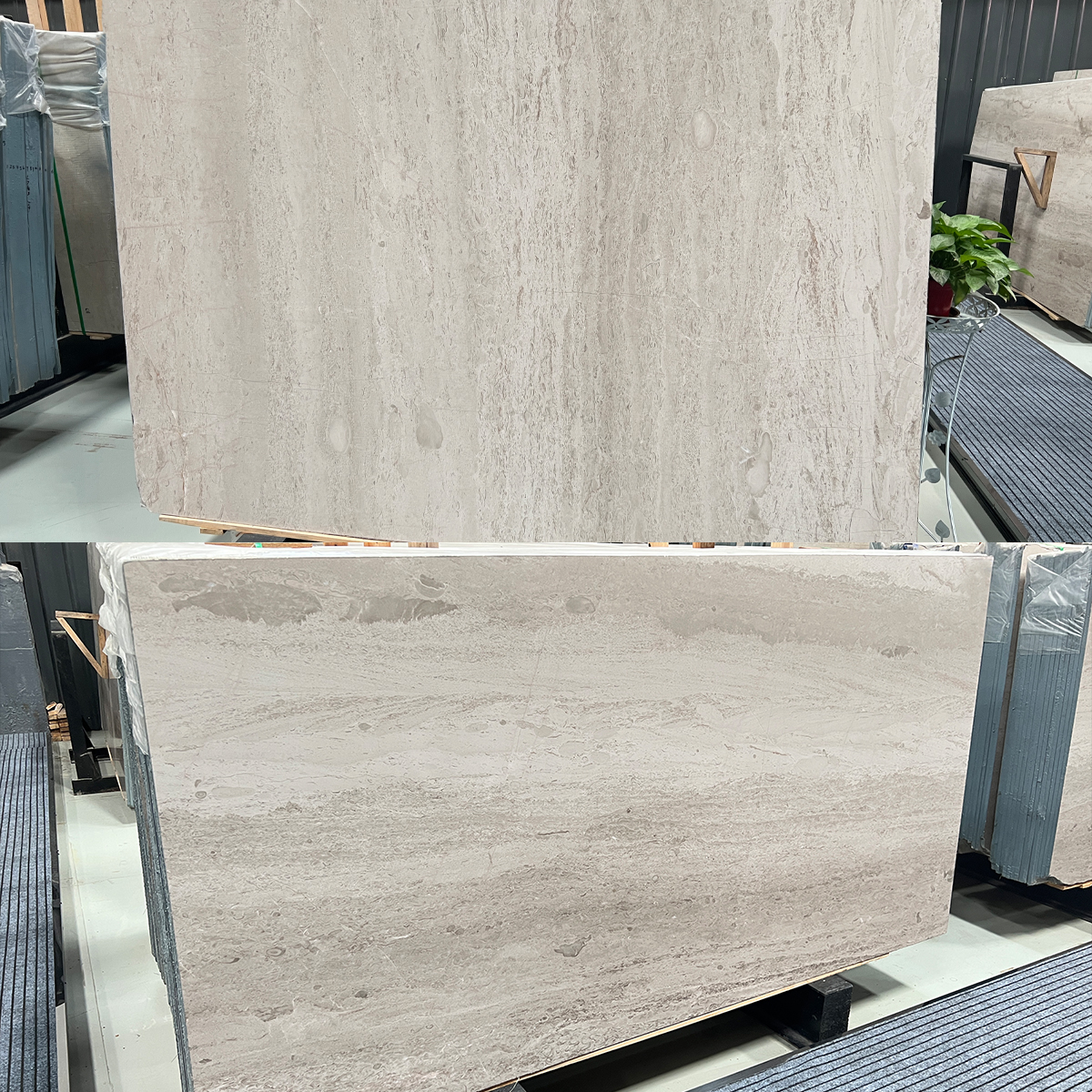
Step 1: Material Preparation
Raw material processing begins with crushing natural marble or high-purity quartz into carefully graded aggregates and fine powders. Particle size distribution critically impacts final slab density and appearance—finer particles create smoother surfaces while larger aggregates contribute structural strength. For beige artificial marble, crushed beige-toned natural marble from quarries in Turkey, Spain, or Egypt provides the authentic color base that synthetic pigments alone cannot fully replicate.
Step 2: Resin Mixing and Pigmentation
The mixing stage combines 90-95% natural stone aggregates with 5-10% polyester resin binders and precisely measured beige pigments. This ratio differentiates quality engineered marble (higher stone content) from lower-grade composite materials. Vacuum mixing eliminates air pockets while ensuring thorough pigment dispersion that prevents color inconsistency and creates the subtle, natural-looking variations characteristic of premium beige marble.
Chemical additives enhance specific performance characteristics—UV stabilizers prevent color fading in sunlight-exposed applications, antimicrobial agents inhibit bacterial growth in kitchen and bathroom installations, and fire-retardant compounds meet building code requirements for commercial projects. The formulation expertise required for consistent results represents a key competitive advantage for established manufacturers.
Step 3: Vacuum Pressing and Slab Formation
The prepared mixture pours into large molds corresponding to final slab dimensions. Vacuum vibration pressing applies 50-100 tons of pressure while simultaneously removing residual air bubbles through vacuum extraction. This dual-action process creates the dense, uniform structure (density 2.63-2.73 g/cm³) that gives artificial marble its superior strength and stain resistance compared to cement-based composites.
Step 4: Heat Curing (Polymerization)
Formed slabs transfer to industrial ovens maintaining precisely controlled temperatures between 80-120°C for 24-48 hours. This polymerization process transforms liquid resin binders into solid polymer matrices that permanently bind stone aggregates together. Temperature control proves critical—insufficient curing leaves slabs prone to flexing and cracking, while excessive heat can cause color shifts or surface defects. The curing stage represents a primary quality differentiator between manufacturers.
Step 5: Surface Finishing and Quality Control
Cured blocks undergo diamond wire saw cutting to specified thicknesses with calibration ensuring uniform dimensions. Multi-stage polishing creates the mirror-finish surfaces demanded by luxury applications, though honed, leathered, or textured finishes can be applied per project specifications. Final quality inspection verifies density, water absorption rates, color consistency, and structural integrity before slabs receive approval for distribution.
This controlled manufacturing environment enables artificial marble to achieve consistency impossible with natural stone, where color and pattern variations between slabs create matching challenges for large projects. For developers planning extensive installations across hotel properties or residential towers, this predictability represents significant value beyond material cost savings.
Market Analysis and ROI Considerations
The artificial marble manufacturing sector presents compelling investment opportunities supported by robust market fundamentals and favorable long-term demand trends. Global market valuation reached $25.98 billion in 2025, with projections indicating growth to $42.31 billion by 2032 at an 8.7% compound annual growth rate. This expansion stems from multiple drivers converging simultaneously.
Asia-Pacific dominates global consumption with over 45% market share, led by massive infrastructure development in China and India. However, North America's 24.95% market share creates opportunities for domestic manufacturers serving premium segments unwilling to accept extended lead times from overseas suppliers. Particularly in the United States, Australia, and Middle Eastern markets like UAE and Saudi Arabia, luxury residential and hospitality developers prioritize supply chain reliability and rapid customization capabilities that regional manufacturers can better provide.
Financial Performance Metrics:
Well-managed medium-scale facilities typically achieve profit margins between 20-35% depending on production efficiency, market positioning, and raw material procurement strategies. Initial investments of $500,000-$1.2 million for medium-capacity plants show payback periods of 3-5 years under realistic operating assumptions. More aggressive scenarios with optimized operations and favorable market conditions can achieve payback in 1.6-2.1 years, though conservative planning should assume longer timeframes.
Internal rate of return (IRR) projections for properly structured operations range from 85% to 122% depending on whether facilities operate standalone or as incremental additions to existing stone fabrication businesses. Net present value (NPV) calculations incorporating realistic revenue projections, cost escalations, and capital depreciation support strong investment cases for entering this market.
Growing demand from specific sectors strengthens the investment thesis. Luxury residential construction, particularly in markets experiencing wealth accumulation, increasingly specifies engineered marble for its consistency and performance advantages. The hospitality sector's recovery post-pandemic drives renovation projects favoring materials offering durability and low maintenance—key engineered marble advantages over natural alternatives. Commercial real estate developers appreciate the cost predictability that consistent artificial marble pricing provides compared to volatile natural stone markets.
Pricing Strategy for Manufactured Products
Understanding market pricing structures helps manufacturers position products competitively while maintaining healthy margins, and assists buyers in evaluating value propositions across supplier options.
Wholesale artificial marble slabs in basic patterns and solid colors typically range $15-$25 per square foot for material only. These entry-level products suit budget-conscious residential projects, rental properties, and applications where premium aesthetics aren't primary concerns. Simple beige tones without complex veining fall into this category, offering solid performance at accessible price points.
Mid-tier products featuring enhanced beige veining patterns, improved color depth, and superior surface finishes command $25-$40 per square foot. This range represents the sweet spot for many luxury residential projects, balancing aesthetic appeal with cost considerations. Customized light brown artificial marble variants with carefully developed veining patterns that closely replicate premium natural marbles like Burdur Beige or Crema Marfil typically price within this bracket.
Premium light beige options featuring complex patterns, rare color combinations, and specialized finishes reach $40-$65 per square foot or higher. These luxury-tier products compete directly with natural marble in appearance while maintaining engineered stone's practical advantages. High-end hospitality projects, luxury retail installations, and ultra-premium residential developments frequently specify products in this range. Custom dark brown artificial marble with distinctive patterns also commands premium pricing.
Discount opportunities emerge through several mechanisms. Bulk order commitments exceeding 1,000-2,000 square meters often secure 10-20% price reductions as manufacturers optimize production runs and reduce per-unit handling costs. Long-term supply contracts for multi-phase developments provide pricing stability for buyers while giving manufacturers revenue predictability that justifies discounting. Purchasing during manufacturers' slow seasons or accepting slight color variations from standard offerings can yield additional savings for price-sensitive projects.
Professional installation adds $10-$20 per square foot to total project costs, including templating, precision cutting, edge profiling, and mounting. Complex installations with numerous sink cutouts, intricate edge details like waterfall designs, or challenging site access increase labor expenses. Many suppliers offer bundled pricing combining materials, fabrication, and installation that provides better overall value than sourcing services separately.
Sourcing Light Beige Artificial Marble
Successfully sourcing high-quality beige engineered marble requires understanding global supply chains, evaluating manufacturer capabilities, and navigating quality certification requirements.
Geographic Supply Concentrations:
China dominates global artificial marble manufacturing with competitive pricing and massive production capacity serving both domestic and export markets. Chinese manufacturers offer the widest color selection, fastest customization capabilities, and most aggressive pricing—factors making them preferred suppliers for large-scale commercial projects. However, minimum order quantities typically range 200-500 square meters, and lead times extend 30-45 days for customized color matching.
Turkey specializes in Burdur Beige natural marble-inspired engineered versions that capture the authentic appearance of this classic material. Turkish manufacturers leverage access to genuine Burdur Beige quarries, allowing them to create composite products using actual Turkish marble aggregates combined with resin binders. This approach produces artificial marble with color authenticity and depth difficult to replicate using pure synthetic formulations. Premium positioning and limited production capacity mean Turkish engineered beige marble typically commands higher pricing than Chinese alternatives.
European manufacturers, particularly in Italy and Spain, focus on ultra-premium segments where brand reputation, design innovation, and specialized finishes justify significant price premiums. These suppliers target luxury residential and high-end hospitality projects where budget considerations take secondary priority to aesthetic excellence and provenance.
Quality Certifications and Due Diligence:
Verifying manufacturer credentials prevents costly quality issues after installation. Essential certifications include ISO 9001 quality management system compliance demonstrating standardized production processes, CE marking confirming compliance with European safety and environmental standards (increasingly required globally), NSF/ANSI 51 certification for food contact surfaces (critical for kitchen countertops), and comprehensive product testing reports covering density, water absorption, stain resistance, and structural strength.
Request physical samples before committing to large orders—digital images cannot accurately convey subtle color nuances and veining patterns that distinguish premium beige marble. Evaluate consistency between multiple samples from the same production batch to assess quality control rigor. For projects requiring extensive quantities, consider factory inspections to verify equipment capabilities, raw material quality, and production processes.
Standard lead times range 15-30 days for stock beige products in common thicknesses and slab sizes. Customized variations requiring specific color matching, unusual dimensions, or specialized finishes need 30-45 days as manufacturers develop formulations and complete quality testing. Rush production may be available at premium charges for time-sensitive projects, though quality risks increase when standard curing and finishing protocols are compressed.
Applications for Light Beige Engineered Marble
The versatility of light beige artificial marble extends across residential, commercial, and hospitality applications where warm, neutral aesthetics combine with performance requirements favoring engineered stone over natural alternatives.
Residential Applications:
Luxury residential flooring represents a primary market for beige engineered marble, particularly in living rooms, hallways, and master bedroom suites where homeowners desire the elegance of natural stone without maintenance burdens. Large-format slabs (3200x1600mm) create seamless installations with minimal grout lines, producing the continuous, flowing appearance characteristic of high-end contemporary homes. The material's low water absorption (below 0.7%) makes it suitable even for bathrooms and kitchens where natural marble's porosity creates staining concerns.
Kitchen countertops and bathroom vanities benefit from artificial marble's superior stain resistance and ease of maintenance compared to natural alternatives. Beige tones with subtle veining create warm, inviting spaces while maintaining the sophisticated appearance luxury homeowners demand. The material's consistency allows perfect color matching between countertops, backsplashes, and flooring elements—a coordination challenge when using natural stone with inherent color variations.
Commercial and Hospitality Installations:
Hotel lobby installations and high-traffic commercial spaces require materials balancing aesthetic impact with exceptional durability. Light beige engineered marble meets both criteria—its warm, welcoming appearance creates positive first impressions while its superior compressive strength withstands constant foot traffic without showing wear patterns that mar softer natural stones. The 2026 trend toward "Quiet Luxury" in hospitality design particularly favors understated beige tones over bold patterns, positioning light beige artificial marble as an ideal specification.
Wall cladding and accent features transform ordinary spaces into distinctive environments. Feature walls behind hotel reception desks, elevator lobbies in luxury residential towers, and executive conference rooms increasingly specify book-matched beige marble slabs creating dramatic visual impact. The controlled manufacturing environment enables matching multiple slabs for these large-scale installations—a significant advantage over natural stone where finding matching pieces proves challenging and expensive.
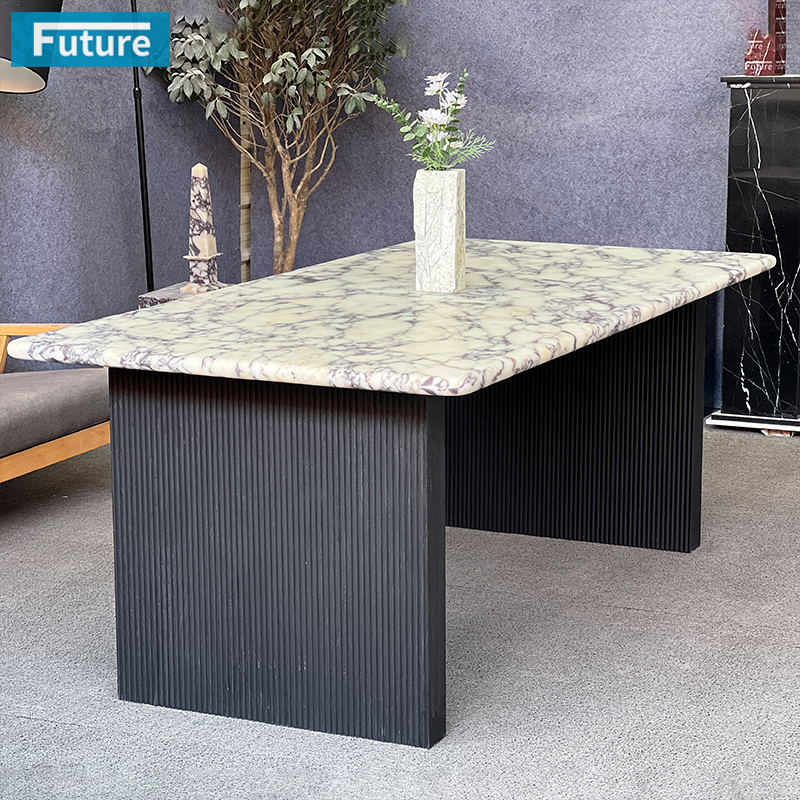
Custom furniture applications including dining tables, coffee tables, console surfaces, and decorative accessories represent growing market segments for beige engineered marble. The material's workability allows fabricators to create waterfall edge details, integrated sinks, and complex shapes difficult to achieve with natural stone. Furniture-grade slabs in beige tones complement diverse interior design styles from contemporary minimalism to traditional elegance, making them versatile choices for luxury furnishing manufacturers.
The material's technical advantages—consistent quality, superior stain resistance, predictable pricing, and reliable availability—make light beige artificial marble increasingly preferred over natural alternatives for projects where performance requirements equal aesthetic considerations. As 2026 interior design trends continue favoring warm, neutral palettes and the "Quiet Luxury" aesthetic, demand for premium beige engineered marble shows no signs of moderating.
Conclusion
The convergence of robust market fundamentals, favorable design trends, and compelling financial returns positions both engineered marble manufacturing plant investments and light beige artificial marble products at the forefront of the luxury building materials sector. Manufacturing facilities requiring $150,000 to $5 million+ initial capital investment—depending on production scale—can achieve 3-5 year payback periods with profit margins reaching 20-35% in efficiently managed operations serving growing global demand projected to reach $42.31 billion by 2032.
For developers, architects, and designers, light beige artificial marble** delivers the warm, sophisticated aesthetic dominating 2026 interior trends while providing superior performance characteristics, cost advantages, and supply reliability compared to natural stone alternatives. Whether sourcing from Chinese manufacturers offering competitive pricing and vast selection, Turkish suppliers providing authentic Burdur Beige reproductions, or premium European producers emphasizing design innovation, thorough supplier evaluation and quality certification verification ensure successful project outcomes.
The artificial marble industry's maturation creates opportunities across the value chain—from manufacturing operations capitalizing on expanding market demand to design professionals specifying materials that satisfy both aesthetic vision and practical performance requirements. As luxury residential, hospitality, and commercial sectors continue recovering and expanding globally, engineered marble positioned at the intersection of beauty, durability, and value captures increasing market share from traditional natural stone.
Ready to explore premium natural stone and artificial marble solutions for your next luxury project? Future Stone Group specializes in sourcing exceptional materials from global quarries, offering comprehensive consultation, customization, and installation services for discerning clients worldwide.
FAQ
What is the average cost to set up an engineered marble manufacturing plant?
Manufacturing plant investment varies significantly by production capacity. Small plants (50-100 TPH) require $150,000-$500,000 initial capital, medium facilities (100-300 TPH) demand $500,000-$1.2 million, and large operations (300-1000+ TPH) need $1.2-$5 million or more. Total costs include land preparation, specialized equipment like vacuum pressing machines ($150,000-$400,000) and industrial curing ovens ($100,000-$250,000), facility construction, regulatory compliance, and initial working capital for raw materials. Well-structured medium-scale facilities typically achieve 3-5 year payback periods with profit margins of 20-35%.
How is light beige artificial marble different from natural beige marble?
Light beige engineered marble offers several advantages over natural alternatives like Burdur Beige or Crema Marfil. Artificial marble provides superior consistency in color and pattern across production batches, eliminating matching challenges for large projects. Water absorption rates below 0.7% (compared to 0.12-0.70% for natural marble) create better stain resistance and eliminate periodic sealing requirements. Engineered versions cost 20-40% less than comparable natural marble while delivering equal or superior durability. Standard densities of 2.63-2.73 g/cm³ closely match natural marble's physical properties while maintaining more consistent performance characteristics.
What are the most popular light beige artificial marble colors in 2026?
The 2026 interior design trend toward warm neutrals and "Quiet Luxury" aesthetics drives demand for several beige variations. Royal Beige featuring warm honey tones with subtle gray or white veining leads popularity, followed by Burdur Beige style reproductions capturing Turkish natural marble's light color patterns and delicate veining. Crema Marfil imitations provide classic Spanish marble appearance in engineered format. Custom light brown variations with white, gray, or gold accents address diverse design requirements from minimalist contemporary to traditional luxury styles. Solid beige options without prominent veining suit Japanese-inspired and Scandinavian design schemes preferring clean, understated aesthetics.
What is the typical ROI for an artificial marble manufacturing plant?
Return on investment for engineered marble manufacturing depends on facility scale, operational efficiency, and market positioning. Well-managed medium-scale facilities achieve internal rates of return (IRR) ranging from 85% to 122% depending on whether operations function standalone or as incremental additions to existing businesses. Net present value (NPV) calculations show positive returns of $18.6-$19.2 million over typical project lifespans. Profit margins of 20-35% support payback periods of 3-5 years for facilities serving established markets. The global market's projected growth from $25.98 billion (2025) to $42.31 billion (2032) at 8.7% CAGR provides favorable conditions for manufacturing investments.
Can I order custom light beige shades for commercial projects?
Yes, manufacturers offer extensive customization for beige artificial marble matching specific project requirements. Custom color development typically requires minimum order quantities of 200-500 square meters to justify formulation development and production setup. Lead times for customized variations range 30-45 days as manufacturers blend pigments, test samples, and complete quality verification before full production. Precision pigment blending techniques achieve specific shade matching for large commercial projects requiring color consistency across multiple production batches. Provide physical samples or precise color specifications to manufacturers, and request test samples before committing to full orders ensuring color accuracy meets project expectations.